precision auto extended warranty insights and practical checks
Definition and scope
In research terms, a precision auto extended warranty is a service contract designed to cover specific post-factory repair risks, priced against expected failure probabilities and labor markets. It is not insurance; it is a promise to pay for covered repairs under stated conditions.
What is typically covered
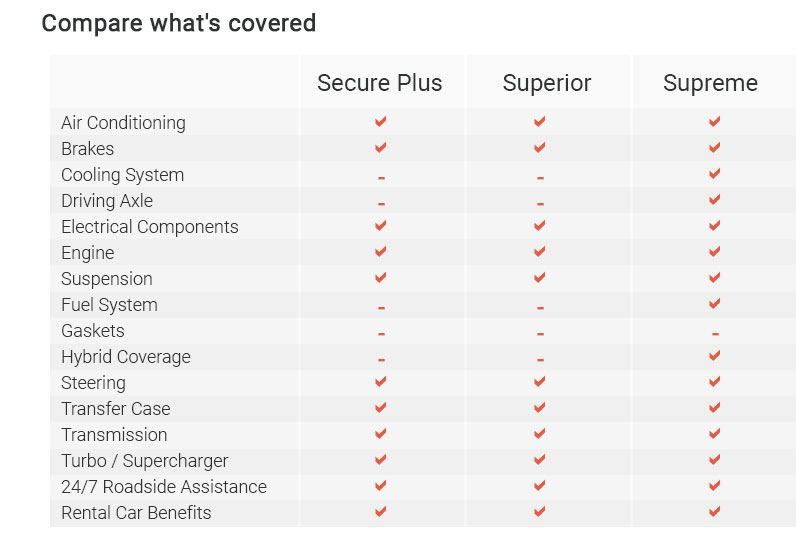
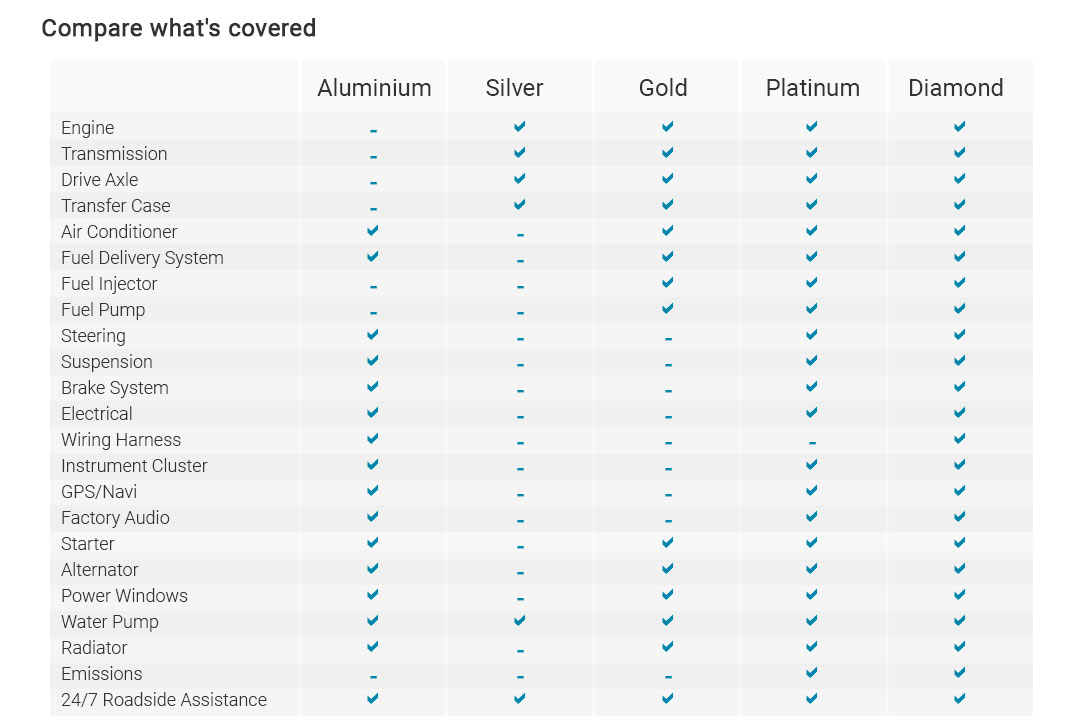
Powertrain essentials: engine long block, transmission, transfer case, drive axles.
High-cost modules: ECU/PCM, TCM, ABS controller, infotainment head units (varies by plan).
Ancillaries: AC compressor, condenser, heater core, steering rack, fuel pump.
Labor: covered up to a posted hourly cap; some plans index to regional labor guides.
Rental/towing: limited per-day and aggregate caps; roadside assistance is often bundled.
Pre-existing or gradual: known defects before purchase, sludge, overheating damage due to coolant neglect.
Modifications and use: racing, commercial use without addendum, lift kits beyond stated limits.
Diagnostics beyond authorization: tear-down without pre-approval may be denied.
Cost mechanics and value check
Price reflects coverage breadth, vehicle risk class, mileage, and claim frequency. A clear evaluation uses expected value rather than fear.
Estimate failure probabilities for major systems over the term/miles.
Multiply by typical repair costs (parts + labor at local rates).
Subtract deductible per visit and account for labor rate caps.
Check aggregate/claim caps; exposure beyond caps returns to the owner.
Factor transferability and refund pro-ration; these have real resale value.
Claims and downtime
Pause. Small print directs outcomes more than slogans.
Complaint logged; shop diagnoses; plan requires pre-authorization with codes and labor times.
Adjuster may inspect; approvals can be component-specific.
Payment flows via corporate card or ACH to the shop; you pay the deductible and any non-covered items.
Subtle real-world moment: on a rainy Thursday, a commuter in Phoenix saw the transmission warning light flicker; the shop pulled a TCC solenoid code, the plan authorized a torque converter and fluid service within hours, rental coverage kicked in at $35/day, and she was back on the road by Monday - deductible applied once, taxes were out-of-pocket.
Plan architectures
Exclusionary ("bumper-to-bumper"): everything covered except a listed set of exclusions; easier to audit.
Stated-component: only named parts are covered; cheaper but gaps are common.
Wrap plans: add high-tech systems on top of a powertrain plan; helpful on newer vehicles.
Maintenance and owner duties
Keep records: timestamps, mileage, receipts; digital logs are acceptable if legible.
Follow OEM intervals; severe-duty schedules if your use pattern qualifies.
Authorize only diagnostic steps needed for approval; get claim numbers in writing.
Use approved fluids/specs; non-OEM parts may be required unless the contract states OEM.
Quality signals vs red flags
Signals: clear definitions, nationwide repair network, labor rates tied to current guides, transparent parts sourcing, fair denial appeal process.
Red flags: mandatory teardown without pay if denied, "betterment" charges on routine wear, arbitration in distant venues, aggressive telemarketing upsells.
Data points to compare providers
Average approval time and claim closure time.
Denial rate by category (cooling, electronics, transmission).
Labor rate cap vs local median.
Rental and towing limits and whether they reset per claim.
Transfer fees and refund methodology (pro-rata time vs time/miles).
Small print that affects fairness
Per-visit vs per-component deductibles: per-visit is generally fairer.
Consequential damage: covered or excluded when a non-covered part fails and harms a covered part.
Diagnostic time: capped or included; vague language often leads to disputes.
Cooling-off period: length and refund rules matter for early misfit detection.
When it may not be worth it
Vehicles with strong reliability tails and low tech complexity.
Low annual mileage where failures are time-limited rather than use-driven.
Owners with disciplined repair sinking funds and trusted independent shops.
Negotiation and purchasing context
Ask for the specimen contract before paying; read exclusions and caps first.
Price shop the same coverage tier across at least three sellers.
Decline add-ons not tied to mechanical coverage (etching, nitrogen, etc.).
Consider buying closer to factory warranty end; pricing can change with mileage, but so does risk clarity.
Alternatives
Self-insurance via earmarked savings.
Certified pre-owned coverage extensions from the manufacturer.
Pay-as-you-go repair subscriptions or telematics-based maintenance plans.
Preventive maintenance upgrades (cooling system service, known TSB fixes).
Bottom line
A precision auto extended warranty can be fair value when the contract language is explicit, the labor economics align with your region, and your record-keeping is disciplined. Evaluate with probabilities, not anxiety, and choose terms that respect both your wallet and the technician's time.